
new
what’s new
Features & Functions
Brands
Colors
wishlist


I have a lot to share about skiing in Japan, so I figured I’d make a whole little series to slowly talk about the ins and outs of skiing there.
Let’s start with the most basic thing: snow. Ski resorts are spread widely across Japan—from Hokkaido in the north all the way down to Hiroshima in the south—so there are good slopes almost everywhere. Other answers have covered this in detail, so I’ll skip the general info.
The snow quality, however, varies a lot depending on the location. In most parts of Hokkaido, after December there’s heavy snowfall, and because temperatures are relatively low, the snow contains less moisture—what we call perfect dry powder.
Also, thanks to the latitude, ski resorts in Hokkaido are usually at lower altitudes. Even the famous spots like Niseko or Rusutsu have peaks just above 1,000 meters, and many places are even lower. This makes transportation easier compared to some resorts in Nagano or Niigata.
(In Nagano and Niigata, some resorts have those endless winding mountain roads in winter—it can be a nightmare. Driving up a 5-kilometer switchback can easily take an hour. Definitely the worst driving experience in winter.)

In contrast, the snow quality at resorts on Honshu—the largest island of Japan on the map—is more varied. Famous spots like Hakuba in Nagano, which hosted the 1998 Winter Olympics, tend to have fairly powdery snow. (And yes, whenever Hakuba is mentioned, people always bring up the Olympics… even though Hokkaido hosted the 1972 Games!)
Just across the mountains, however, some resorts in Niigata have snow with higher moisture content, often heavy, wet powder that’s easy to pack into snowballs.
This is due to geography: Hakuba lies on the eastern side of the Hida Mountains. Moist air coming from the west hits the western slopes first, releasing the heavier, wetter snow there. The lighter, drier snow crosses over the 3,000-meter peaks and falls on the eastern side, creating powder.
Niigata, on the other hand, sits on the western slopes of the Kiso and Akaishi ranges, right next to the Sea of Japan. The moist air from the sea can’t cross the mountains, so it dumps directly on Niigata, which is why snow there is often heavier and more abundant than in Hakuba.
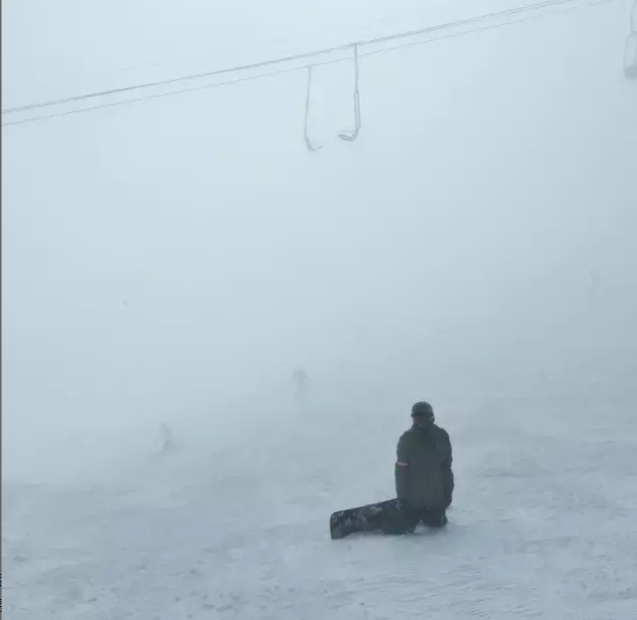
Let’s talk about transportation
I live in the Greater Tokyo area (well, technically a village on the outskirts…), and in winter I almost every weekend drive to Nagano to ski.
A typical trip goes like this: after work on Friday, I grab my gear and hit the road around 9 PM. Usually, I arrive near the ski resort around 1–2 AM and crash at a simple ski hut—or sometimes just sleep in the car at the resort. By 6:30 AM, I’m on the slopes for the early session and basically stay there until night skiing ends around 9:30 PM.
At night, I find a small ryokan nearby with a hot spring and stay one night. On Sunday, I ski until mid-afternoon, pack up around 3 PM, and head back to Tokyo.
This kind of “forced march” schedule basically runs through the whole ski season. Can’t help it—broke but love skiing!
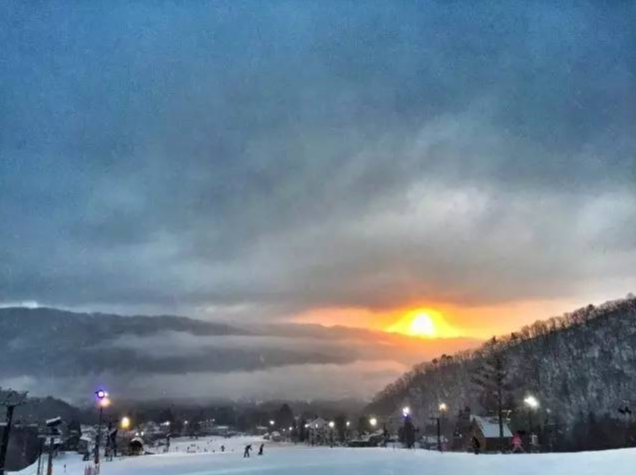
Driving from Tokyo to Nagano usually takes about 4–5 hours. The typical route starts from near Shinjuku, takes the Chuo Expressway through Kanagawa and Yamanashi, then enters Nagano. Exit at Azumino and follow a prefectural road for about an hour to reach Hakuba Village.
The final stretch in winter is basically a snow-covered road, so you need to drive very carefully. Snow tires are a must; if possible, use a 4WD vehicle. If you don’t have 4WD, at least make sure it’s front-wheel drive. (One of my friends once got his rear-wheel-drive Infiniti G25 stuck on this snowy road…)
Even with 4WD and snow tires, drive gently—light on the gas, gentle braking, slow steering. From my experience, you always need to respect the snowy roads.
If you’re heading to Niigata or Gunma resorts, it usually takes just over 3 hours from Tokyo. The route goes via the Kan-Etsu Expressway, but except for a few small resorts near the highway exits, you’ll still have to drive along mountain roads, which are more rugged and dangerous than Hakuba. If you have no snow driving experience, proceed with extreme caution.
Accommodation
After talking about transportation, let’s discuss where to stay when skiing in Japan. The situation in Nagano and Hokkaido is a bit different.
In Nagano, most accommodations are small, privately run ryokans or guesthouses. They’re affordable and clean, though the overall comfort level is modest—perfect for budget-conscious skiers. In Hakuba, for example, a night with breakfast usually costs around ¥10,000–14,000 JPY.
There are also some higher-end 4-star hotels, though they are fewer and need to be booked in advance. These are more suitable for families or upscale skiers, with dinner included the price usually ranges from ¥20,000–40,000 JPY per night.
No matter where you stay, enjoying a hot spring in the evening is a must when skiing in Japan. The larger hotels often have on-site onsen facilities, which are excellent. Smaller guesthouses may not have an onsen, though some boutique ones do. In popular ski areas like Yuzawa or Shiga, there are also independent onsen facilities, usually costing ¥300–600 JPY per visit, including towels and basic toiletries.

If you’re heading to Hokkaido, it’s a different story. For the major ski resorts like Rusutsu, Niseko, and Kiroro, there are fewer small guesthouses or ryokans nearby. Most accommodations are large, centralized resort hotels—kind of like the Wanda resorts in China (though I’ve never actually been to one).
For example, in Rusutsu there’s the Resort Hotel / Westin Rusutsu, and in Niseko there’s the Hilton. If you book early, prices are still reasonable. But during peak season, they can be shocking—usually starting around ¥40,000 JPY per night.
Since most Hokkaido resorts are only about 1.5 hours’ drive from Sapporo, many people also choose to stay in Sapporo city and head to the slopes early in the morning.
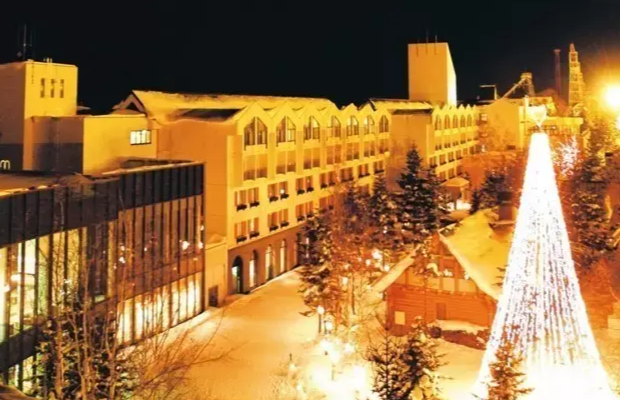
In recent years, another option that has become popular is renting a house. You can find these in both Hakuba and Hokkaido. The advantage is that if you share it with a group, it can be quite affordable. The downside is there’s no breakfast or dinner—you’ll have to cook for yourself.
These houses are usually a bit farther from the slopes, so if you don’t have a car, carrying your skis or snowboard to the resort can be quite a hassle. There are plenty listed on Airbnb, so a quick search will show you tons of options.
This type of accommodation is best suited for skiers who want a flexible schedule and have solid off-resort experience. (Knowing some Japanese helps a lot when communicating with the host.)


