
new
what’s new
Features & Functions
Brands
Colors
wishlist


20 Points to Consider! There are 20 factors to think about when buying a ski jacket. Let’s take a look at these 20 points and see if they make sense.
1. Waterproof and Breathability
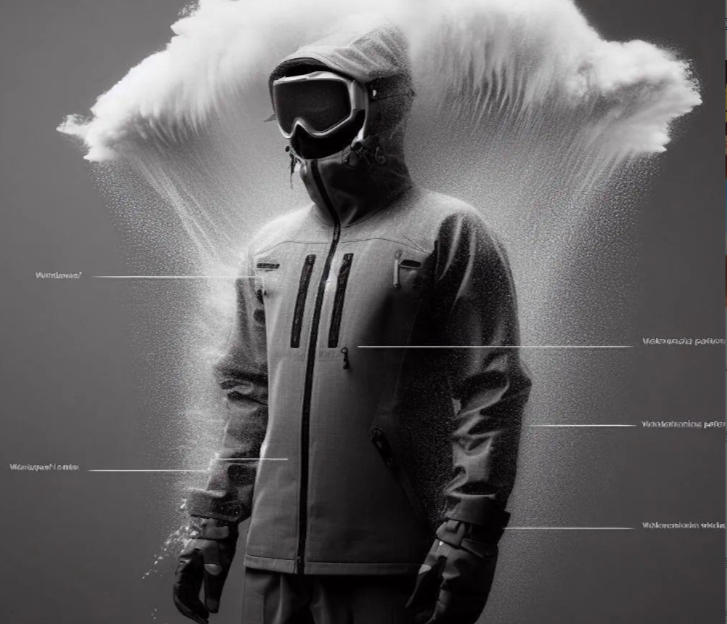
This needs no explanation. Waterproof and breathable performance is the primary feature of ski jackets and shell jackets. Choosing a ski jacket made of waterproof fabric with a breathable membrane or coating can prevent snow and water from seeping in while allowing sweat and moisture to escape.
2. Sealed Seams
In addition to waterproof fabric, make sure the ski jacket has sealed seams, which are also a key factor for waterproofing. Even with waterproof material, untreated seams can allow water to seep through.
3. Insulation
Ski jackets usually come with an insulating layer to provide extra warmth in cold weather. In milder conditions, such as early or late in the ski season, you can wear a lighter jacket and adjust warmth with mid-layers.
4. Durability and Abrasion Resistance
During skiing, jackets can be exposed to snow, skis, lift seats, tow ropes, and other equipment, so abrasion resistance and durability are important considerations.
5. Ventilation Design
This is different from the jacket’s breathable fabric. During intense or prolonged skiing, you may get hot, so some jackets and pants feature dedicated ventilation. For example, ski pants may have zippered vents on the legs or waist, while jackets often have underarm zippers to release heat when needed.
6. High Collar Design
A ski jacket with a high collar provides extra protection against cold winds entering through the neckline. The collar can be pulled up to the chin, lips, or even the nose to effectively block wind chill. Some jackets even integrate a ski face mask directly into the design.
7. Snow and Wind-Protective Hood
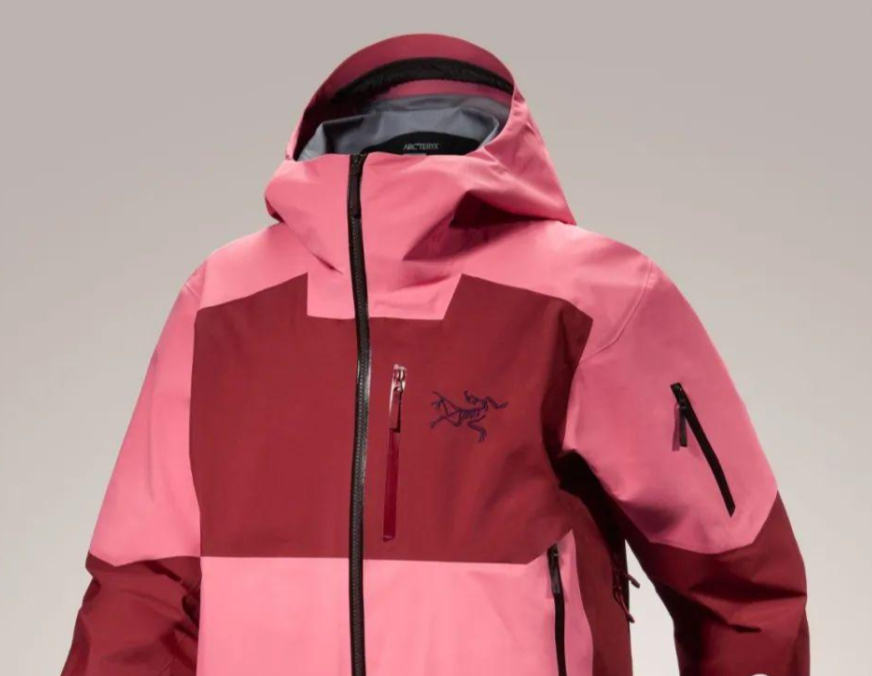
A ski jacket with a wind- and snow-protective hood offers additional coverage in harsh weather. It’s best if the hood has adjustable drawstrings to adapt to different conditions. However, most ski resorts require helmets when using lifts or entering trails. In such cases, wearing a thin ski cap or balaclava under the helmet keeps you safe and warm. Unless it’s extremely windy or cold, the hood on a ski jacket becomes more of a stylish accessory on the slopes.
8. Adjustment System
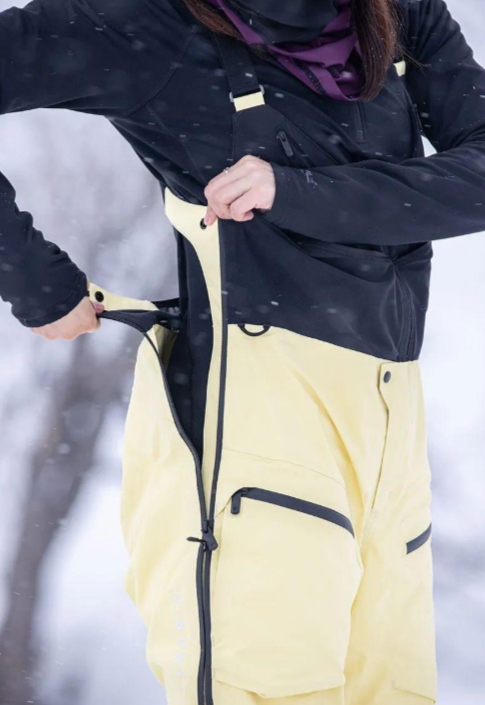
People come in different heights, builds, and shapes. Skiing often requires wearing protective gear around the hips, so pants with adjustable waistbands or leg openings allow for a customized fit and help prevent snow from entering. Advanced skiers sometimes wear them loosely for style, exposing part of their hips.
9. Snow Gaiters
Most ski pants come with integrated snow gaiters, usually elasticized, that fit over ski boots to prevent snow from entering the bottom of the pants, keeping the interior dry.
10. Adjustable Pant Cuffs
Choose pants with adjustable cuffs to ensure a perfect fit over ski boots. Adjustable hems, often using zippers, also help prevent snow and moisture from entering.
11. Powder Skirt
A powder skirt is another practical feature in ski jackets. Located on the inside hem, it can be fastened during skiing to prevent snow from entering the jacket—especially useful in case of inevitable falls.
12. Cuff Design
Pay attention to the cuff design when choosing a jacket. Some jackets have long sleeves that cover the hands, while others feature elastic inner cuffs that can be looped over the thumbs to block snow and wind. Many cuffs also have glove attachment systems, preventing gloves from being lost during removal.
13. Pockets and Storage
Ski jackets generally include multiple pockets and storage compartments for small items like phones, wallets, gloves, earphones, or lift passes. Many pockets have water-resistant designs to protect valuables from snow and moisture.
14. Waterproof Zippers
Some high-end jackets use waterproof zippers. However, unless skiing in rain or heavy snow, this is less critical, as breathability is generally more important than waterproofing.
15. Slim-Fit Pant Design
Alpine skiers often need slim-fit pants that closely follow body lines for efficient and elegant movements. Slim designs allow greater flexibility during skiing. Recently, some alpine freestyle pants have adopted looser, snowboard-style fits.
16. Lift Pass Pocket
Most ski resorts use electronic lift passes, so it’s helpful to choose a jacket with a dedicated lift pass pocket, typically located on the left arm or forearm. This allows easy access without repeatedly retrieving the card, improving convenience at gates.
17. RECCO Avalanche Rescue System
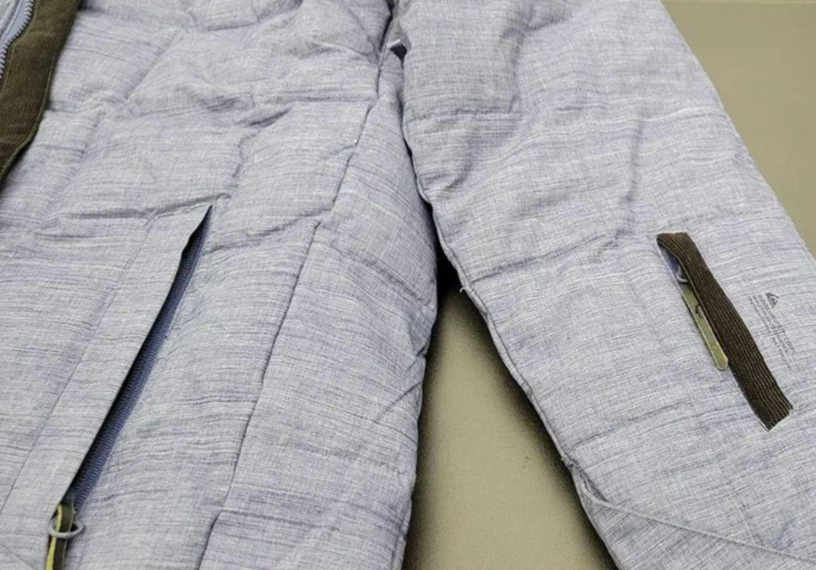
RECCO is an avalanche rescue system that includes a RECCO reflector chip attached to the ski jacket and a RECCO detector used to locate it. If you’re not skiing in backcountry areas, this feature is largely unnecessary. Currently, only a few resorts in China, like Hemu Ski Resort, are equipped with RECCO detectors. In most domestic ski resorts, avalanches are unlikely, and even if they occur, the majority of resorts do not have RECCO detectors.
18. Appearance and Design
The look and design of a ski jacket reflect personal taste and affect your appearance on the slopes. Choose a jacket that balances style and functionality while matching your personal preference—for example, some prefer two-piece jackets, while others like one-piece suits.
19. Unique Features
Want to leave a distinctive mark while skiing? Opt for jackets with special features, such as walkie-talkie pockets or exclusive patterns, to stand out on the snow.
20. Value for Money
Finally, the best ski jacket is the one that suits you personally. When you let your laughter echo across the snowy slopes, everything else becomes secondary!


