
new
what’s new
Features & Functions
Brands
Colors
wishlist

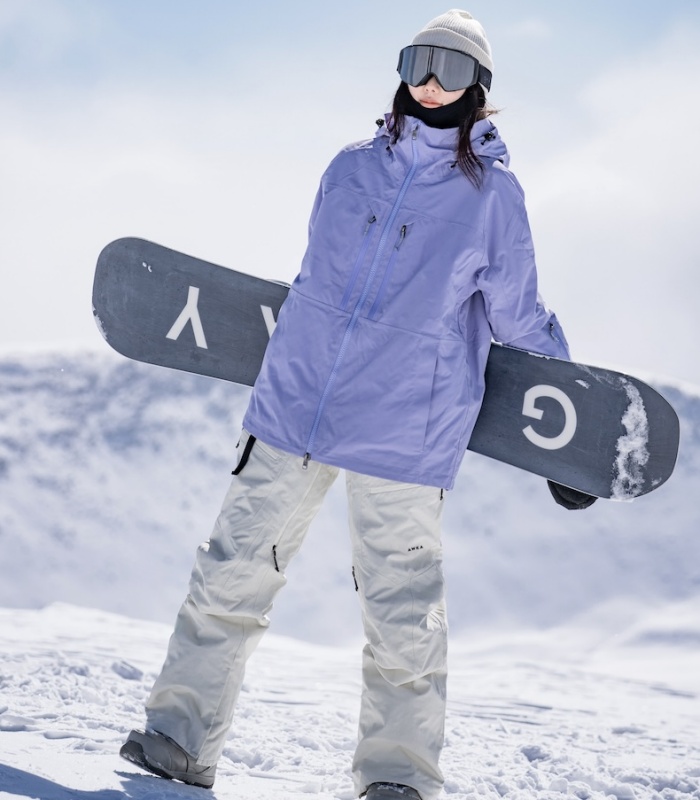
Skiing is a sport that is both romantic and thrilling. For most people, after spending some time on the slopes, the desire to own a ski jacket naturally arises. From a safety perspective, ski wear may not be the top priority, but with the mindset of “compensating for lack of skills with gear,” a ski jacket — being the most visible piece of ski equipment — often becomes the first choice for many.
However, the market offers a wide variety of styles and price ranges, which can leave beginners unsure of where to start. That’s why in this article, I’ve organized some essential tips to help you choose the right ski jacket.
1. Types of Ski Wear
Based on style, ski wear can be divided into three categories: two-piece ski suits, one-piece ski suits, and ski bib pants.

Two-piece ski suits: Currently the most common style, easy to put on and take off, and highly versatile. The jacket is usually loose-fitting with a snow skirt for wind and snow protection, while the pants are typically high-waisted with suspenders to prevent snow from entering when falling.
One-piece ski suits: Simple in structure, comfortable to wear, and highly effective at blocking wind and snow. They are ideal for powder skiing and backcountry terrain. Although not as convenient to put on and take off, they are also recommended for beginners.
Ski bib pants: A blend of the advantages of both two-piece and one-piece styles. Stylish and flattering, they are especially popular among skiers who care about appearance.
From a more professional perspective, ski wear can also be categorized by discipline into snowboard jackets/pants and ski (alpine) jackets/pants.
Snowboard ski wear: Because snowboarding involves larger movements and more tricks, riders usually need to wear protective gear underneath. For this reason, snowboard jackets and pants are generally looser and baggier to allow freedom of motion. They typically feature added insulation at the front for warmth, while the back is designed with special ventilation zones to help release excess heat. In general, amateur riders tend to prefer snowboard-style ski wear.
Alpine ski wear (for skis): Skiing with two skis is relatively simpler — often relying on ski poles and maintaining an upright posture. Since protective gear is usually not required, ski wear is designed with more attention to aesthetics. Compared to snowboard wear, alpine ski wear is more form-fitting, with insulation covering the entire garment and without specifically designed ventilation zones.
2. Ski Jacket Buying Guide
1) Waterproofing & Breathability
The waterproof rating measures a ski jacket’s ability to keep you dry in wet conditions. The higher the rating, the longer the fabric can resist water penetration.
The unit is measured in millimeters (mm). For example, if a fabric can withstand a 10,000mm column of water for 24 hours while allowing fewer than three drops of water to seep through, then its waterproof rating is 10,000mm. The higher the number, the better the waterproofing.
2) Fabric Selection
Whether you’re a beginner or advanced skier, falls and collisions are common. These involve intense friction that can significantly reduce a jacket’s lifespan, so durability is crucial.
The outer shell of ski jackets is typically made of nylon or polyester.
Nylon’s abrasion resistance is measured in denier (d). The larger the number before “d,” the more fibers in a single yarn, resulting in higher durability — though it also makes the jacket heavier.
3) Design Details

The finer design features of a ski jacket and pants can make a big difference in comfort, warmth, and functionality on the slopes. When choosing, pay attention to these practical details:
These thoughtful details not only enhance protection from the elements but also improve overall skiing convenience and comfort.
3. Recommended High Value-for-Money Ski Jackets
Brand 1: Decathlon
Decathlon is known as the go-to brand for affordable outdoor gear. For beginners who don’t want to rent ski wear but also don’t want to spend a fortune, it’s an excellent choice — you can get a full set for just a few hundred yuan. What’s more, Decathlon’s ski jackets are versatile: if you commute by e-bike in the mornings and evenings, you can wear them for everyday use as well.

Brand 2: PONTPES
PONTPES is an outdoor sports brand under OC STYLE, specializing in ski jackets, pants, and various ski accessories. Compared to NAEN (Nan’en) ski wear, PONTPES may not be as trendy in design, but the price range is similar. Overall, it’s a better fit for those who prefer a low-key and understated style rather than flashy fashion.
Brand 3: Nobaday
Founded in 2014 and headquartered in the ski destination of Seattle, Nobaday is a young and dynamic ski brand. Its ski jackets are designed with a strong appeal to younger skiers, featuring trendy, stylish, and eye-catching designs that stand out both on and off the slopes.
Brand 4: AKAW
AKAW is a popular and affordable Chinese ski wear brand, and one of my personal favorites. Their ski jackets feature fashionable, versatile designs with bold and vibrant color combinations, full of sporty energy. They’re not only great for skiing but also highly photogenic — perfect for snapping stylish shots without worrying about filling your social media grid.
Q: How should I wear a ski jacket?
Skiing is an extreme sport in low temperatures, so staying comfortable and warm is crucial. The most effective method is to follow the three-layer dressing system. Since the human body performs best for metabolism and skiing at 36.1°C–37.5°C, layering helps maintain this balance — preventing overheating during activity and avoiding chills when resting.
The three layers are:
Q: Should I avoid buying a white ski jacket?
Not necessarily. The concern is mainly for beginners or those skiing off-piste (in wild terrain), where white outerwear could make it harder to be spotted in case of an accident. However, most people ski on groomed resort trails, so this is not a major issue. Plus, very few ski jackets are completely pure white. So as long as you like the design, you can wear white without worry.
Ski slopes are commonly marked by colors to indicate difficulty:
🔔 Final Tip: Always warm up before skiing. Activating your body reduces the risk of injury and helps you perform better on the slopes.


