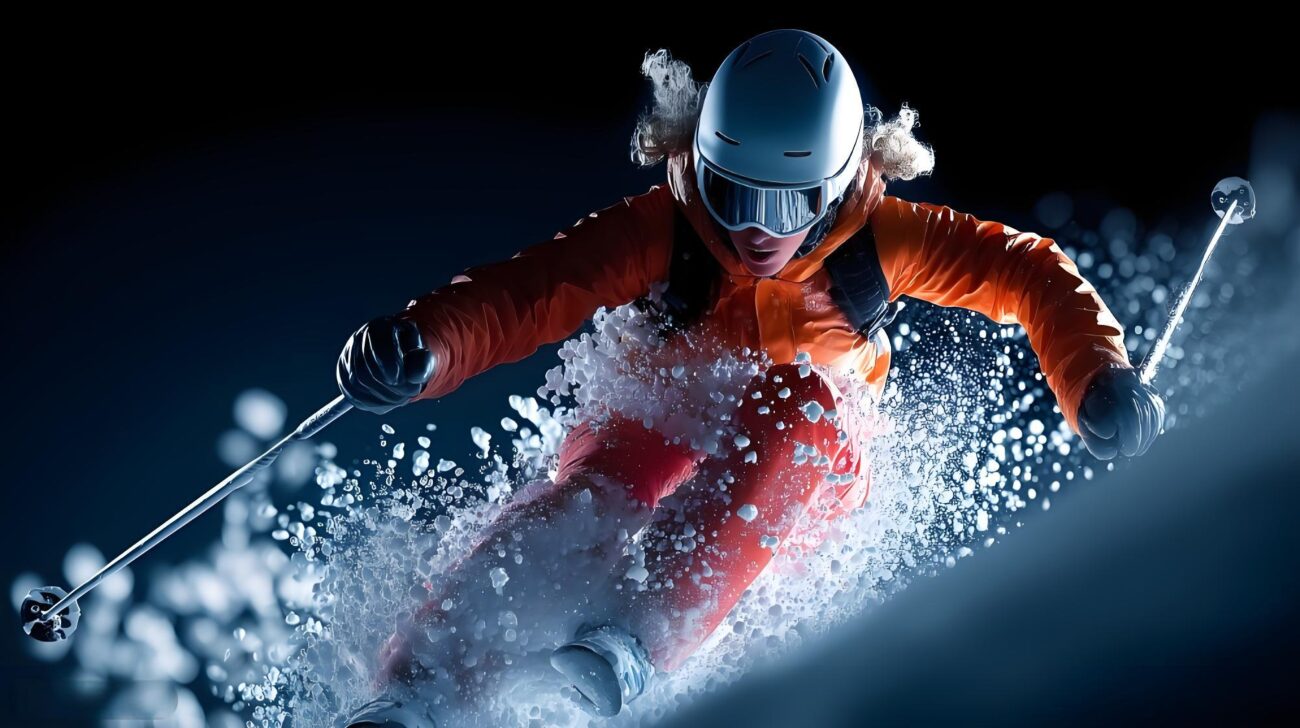
Ski Jacket

Ultimate Guide to Ski Jacket Materials: From GORE-TEX to Eco-Tech

1. Waterproof & Breathable Membranes: The “Heart” of a Ski Jacket

1.1 Comparison of Main Membrane Technologies

Material TypeWaterproof Rating (mm)Breathability (g/m²/24h)Representative BrandRecommended Use Case
GORE-TEX Pro28,000+25,000+Arc’teryxAlpine skiing/extreme weather
Dermizax NX20,00015,000PhenixCompetitive skiing
DRYTEC Ultra15,00012,000DescenteRecreational skiing
Eco-Friendly Alternatives
Sympatex®10,0008,000PatagoniaEco-conscious skiers

Tech Highlights:

Dermizax: Proprietary elastic membrane that allows greater freedom of movement

GORE-TEX: Micropores 20,000 times smaller than water droplets—enables extreme waterproofing

2. Outer Fabric: Balancing Durability and Lightness

2.1. Nylon

  • Pros: Excellent tear resistance (commonly 40D–80D)
  • Innovation: Goldwin’s “Diamond-Cut Nylon” enhances abrasion resistance by 20%

2.2. Polyester

  • Features: Cost-effective but prone to pilling—common in entry-level jackets
  • Upgraded Version: Toray’s ultra-fine fibers mimic cotton for a softer touch

2.3. Recycled Materials

  • Eco Trend: The North Face’s ECONYL®, made from recycled fishing nets
  • Trade-Off: 15–20% less durable than virgin materials

3. Insulation Layers: High-Tech Warmth Solutions

3.1. Down Insulation

  • Gold Standard: 800-fill-power goose down (highest warmth-to-weight ratio)
  • Innovations:
    • Goldwin Heat Navi: Aluminum coating that reflects body heat
    • Moncler Grenoble: Zoned insulation with 30% extra fill in chest/back

3.2. Synthetic Alternatives

  • Primaloft Gold: Retains up to 80% insulation in wet conditions
  • Coreloft Compact: Arc’teryx’s proprietary synthetic mimicking down clusters

3.3. Active Heating Systems

  • Vollebak Solar Heat: Graphene layer absorbs sunlight for warmth
  • WarmX Electric Heating: USB-charged with 3 heat settings (German brand)

4. Material Details: Marks of Professional Quality

4.1. Seam Sealing

  • Industry Benchmark: Laser-cut + heat-sealed seams (3x cost of traditional stitching)
  • Lab Data: Sealed seams withstand over 2,000 bend cycles

4.2. Zipper Systems

  • Waterproof Zippers: YKK AquaGuard®—rated for 10,000mm water pressure
  • Magnetic Zippers: Burton’s “Snap Zip” allows one-handed operation

4.3. Liner Technology

  • Moisture Wicking: Columbia’s Omni-Wick™ evaporates sweat instantly
  • Odor Control: Polygiene® silver ion tech (odor-free for up to 7 days straight)

5. Smart Shopping Tips: Avoiding Common Traps

5.1. Spotting False Advertising

  • ❌ “100% Waterproof” → True standard must specify exact rating (e.g., 10K/20K)
  • ❌ “Aerospace-grade Down” → Always check fill power (under 550FP = low-end)

5.2. Fabric Combination Formula

  • For Powder Snow Areas: GORE-TEX Pro + 800FP down + 80D nylon
  • For Park Riding: Dermizax stretch membrane + Primaloft insulation + Kevlar panels

5.3. Care Mistakes to Avoid

  • ✖ Regular detergent → Can damage waterproof coatings (use Grangers or Nikwax products)
  • ✖ High heat tumble drying → May cause seam tape delamination (air dry or use low heat)

6. 2025 Material Trends

  1. Bio-Based Materials: ADIDAS & Spiber’s lab-grown Spider Silk Protein
  2. Self-Healing Coatings: Scratch-repair tech featured in The North Face’s Futurelight lab collection
  3. Smart Thermoregulation: Outlast® phase-change materials that adapt insulation based on body temperature

Industry Trivia:
Japanese textile giant Toray has developed a new fluorine-free water repellent—greener, but 30% less durable; currently reserved for premium lines only
    Leave a Reply

    Your email address will not be published. Required fields are marked *