
new
what’s new
Features & Functions
Brands
Colors
wishlist


As the saying goes, “Clothes make the man, and a saddle makes the horse.” Who doesn’t want to look sharp on a ride?
When it comes to cycling protection, the essentials are helmets, cycling jerseys, gloves, glasses, and headwear.
For sports bikes like mountain bikes or road bikes, the narrow saddle design helps you generate more power with your legs.
But… your butt might disagree. After all, the saddle is small, the contact area is limited, and the pressure goes up (yes, this is basic physics).
That’s why cycling shorts came into existence.
Their most distinct feature compared with normal clothing is the padded crotch area, usually made of foam or gel. Kind of like a diaper, isn’t it?
This little pad makes a huge difference for comfort (your butt will thank you).
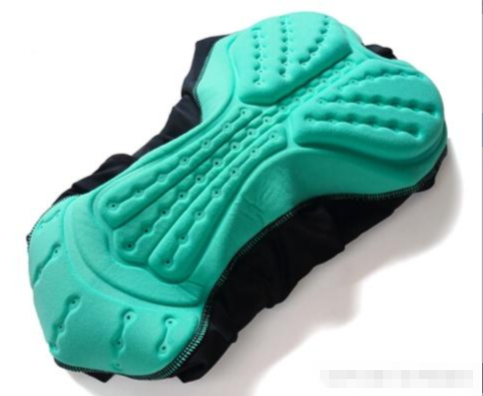
Not only does it ease pressure, it also reduces friction between the saddle and your inner thighs.
“How comfortable is it?” you might ask. Well… let’s just say gel has many uses, but I won’t go into details here (wink).
Of course, even with padding, some soreness is inevitable. The pad mainly serves as a cushion to lessen the pain.
The good news? It doesn’t last forever. Stick with it for a couple of weeks, and you’ll earn yourself an “iron butt” — the kind that can sit on anything.
In summer, cycling jerseys are usually made of polyester and spandex. These fabrics wick moisture, stretch well, and breathe easily — say goodbye to sticky, restrictive clothes and ride free!
In winter, jerseys often have fleece lining for warmth. The outer layer is usually windproof and breathable, sometimes even water-resistant.
If your cycling pants don’t have padding, you can always add padded cycling shorts or underwear. Around 10°C, they can be worn on their own.
If it gets colder, just throw on a windproof, breathable jacket for extra warmth — I usually go with a softshell or a lightweight down jacket.
Cycling gloves come in two styles: half-finger and full-finger.
When buying cycling gloves, choose the right size based on your palm width. A proper fit ensures better grip and easier bike handling.
(Palm width measurement guide usually provided with glove sizing charts.)
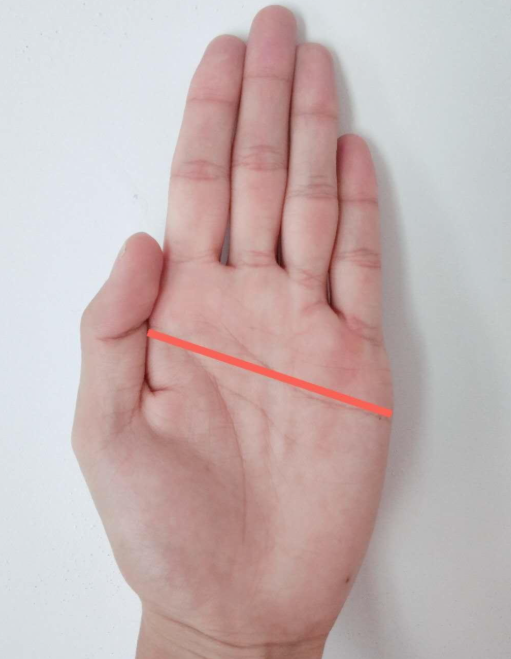
The Velcro strap at the cuff serves the same purpose — keeping the glove snug and secure.
When choosing cycling gloves, it’s best to consider your own riding needs and personal comfort.
And here’s an important tip: try to match the color of your gloves with your cycling jersey or overall outfit. After all, looking good on the bike matters too!
Also known as a magic headscarf, this is one of the simplest yet most versatile pieces of cycling gear — absolutely essential!
It’s not just for cycling; it’s widely used in other outdoor sports as well.
Most are made from polyester fiber, making them lightweight and easy to use year-round.
Multi-purpose: wear it as a mask, a headband, or a neck gaiter.
Brands: no strict rules here — just pick one that looks cool and matches your style.


