
new
what’s new
Features & Functions
Brands
Colors
wishlist

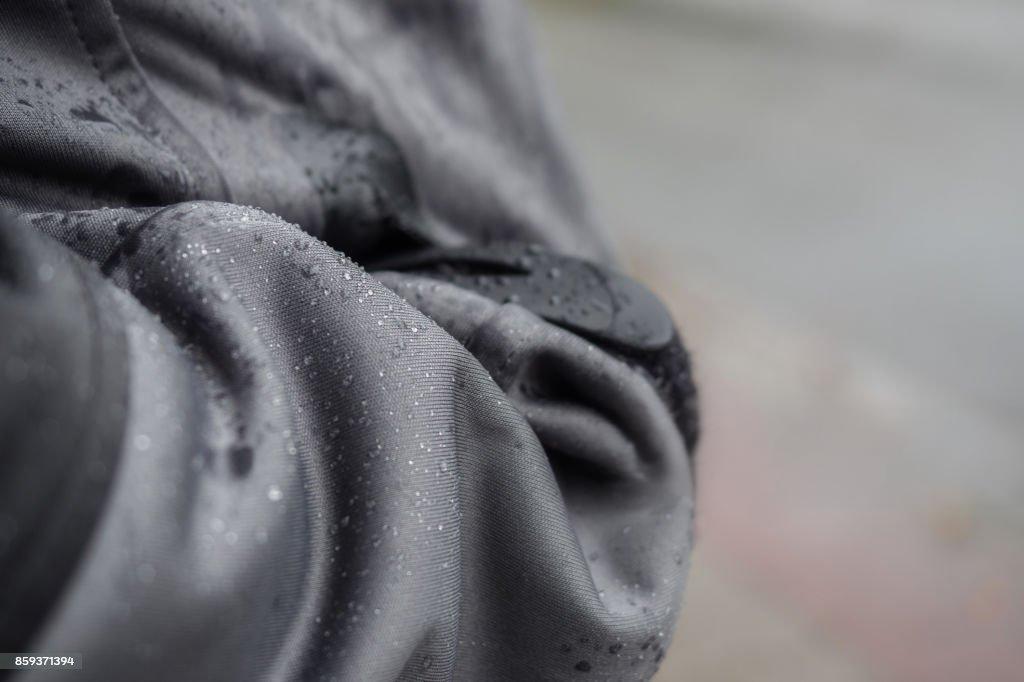
The earliest version of what we now call a technical or outdoor jacket can be traced back over 500 years ago.
In the Arctic regions of northern Canada, Indigenous peoples crafted a double-layered coat made from animal hides, with the fur facing outward. These coats, known as “parkas”, were ingeniously designed to withstand extreme cold while offering natural water resistance thanks to the materials and layering technique.
These early parkas were not only a testament to survival skills in some of the harshest climates on Earth but also laid the foundation for what we recognize today as the modern shell jacket—a combination of warmth, protection, and functionality.
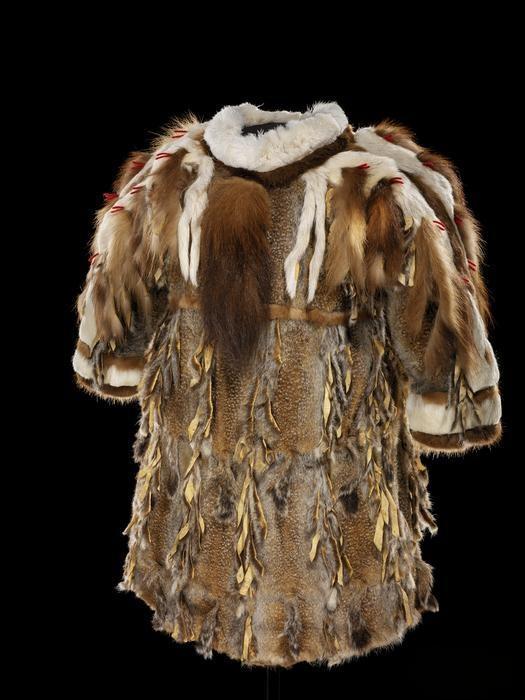
The word “Parka” originates from the language of the Nenets people, an Indigenous group living in northern Russia and the Arctic regions around the Aleutian Islands between Russia and Alaska. In their language, parka means “animal skin”—a reference to the materials used to create these coats.
As early as 500 years ago, the Nenets and other Arctic communities crafted parkas from two layers of animal hide, with the fur facing outward. These coats provided exceptional warmth and natural water resistance, becoming essential for surviving in extreme polar climates.
In the late 19th and early 20th centuries, Western explorers heading to the poles began to adapt the parka design. They modified it to allow greater mobility, making it more practical for long-distance treks in severe cold and snow.
At this stage, parkas were used almost exclusively in high-altitude mountaineering, polar expeditions, and extreme weather conditions. The focus was purely functional: windproof, waterproof, breathable, and insulating—essential for any serious outdoor enthusiast.
As time went on, the evolution of clothing design reflected broader cultural shifts. People’s needs became more diverse, and the parka gradually evolved in style. Different cuts, materials, and patterns emerged, blending technical functionality with urban fashion sensibilities.
A major turning point came in 1950, when outdoor sports began to rapidly develop. During an ascent of Annapurna, a pioneering French expedition team introduced a two-layer down jacket designed specifically for alpine climbing. It combined polyester fabric for reduced weight with insulating layers for warmth, significantly improving efficiency during summit pushes. This innovative design marked the prototype of today’s modern alpine shell jacket—lightweight, high-performing, and purpose-built.

By the 1980s, people began to seek outerwear that was not only functional but also stylish.
It didn’t take long for the shell jacket—once exclusive to hikers, climbers, and explorers—to break into urban street culture.
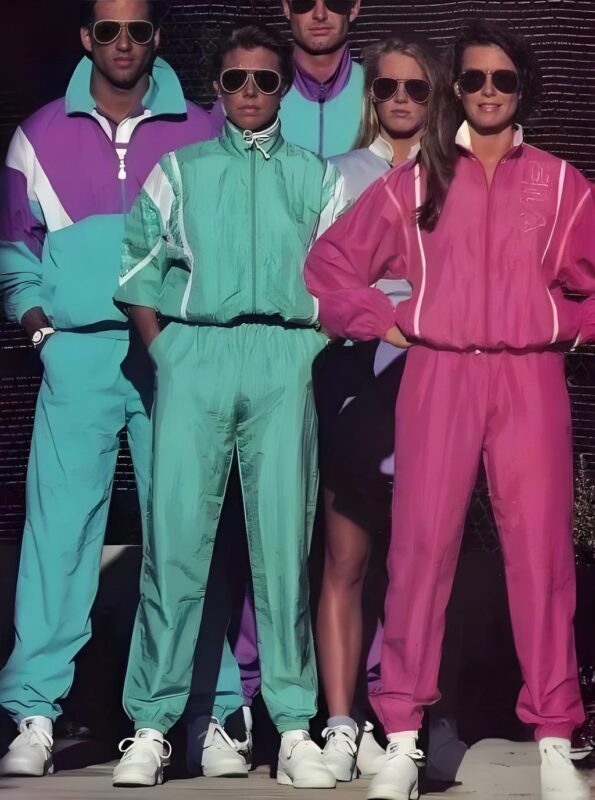
Leading sportswear brands like Nike and Adidas played a key role in this shift. They took the traditional nylon-based technical jacket, made it lighter and more streamlined, and removed many of the overly functional pockets that were unnecessary in everyday settings.
In their place, they added bold colors, decorative zippers, and adjustable drawstrings—design elements that resonated with the youth of the time.
The result? A new generation of urban shell jackets that became fashion staples among streetwear enthusiasts throughout the ’80s and ’90s.
This was the moment when the technical jacket transcended its original purpose and became a symbol of style, culture, and self-expression.
Today, shell jackets have evolved into three main categories:
Each type is designed to meet the diverse needs of different climates, activities, and wearers—whether you’re braving cold city winds, hiking in unpredictable weather, or exploring snowy mountain trails.
Thanks to their balance of protection, comfort, and versatility, shell jackets have become one of the most reliable choices for autumn and winter warmth and a must-have for outdoor adventures.
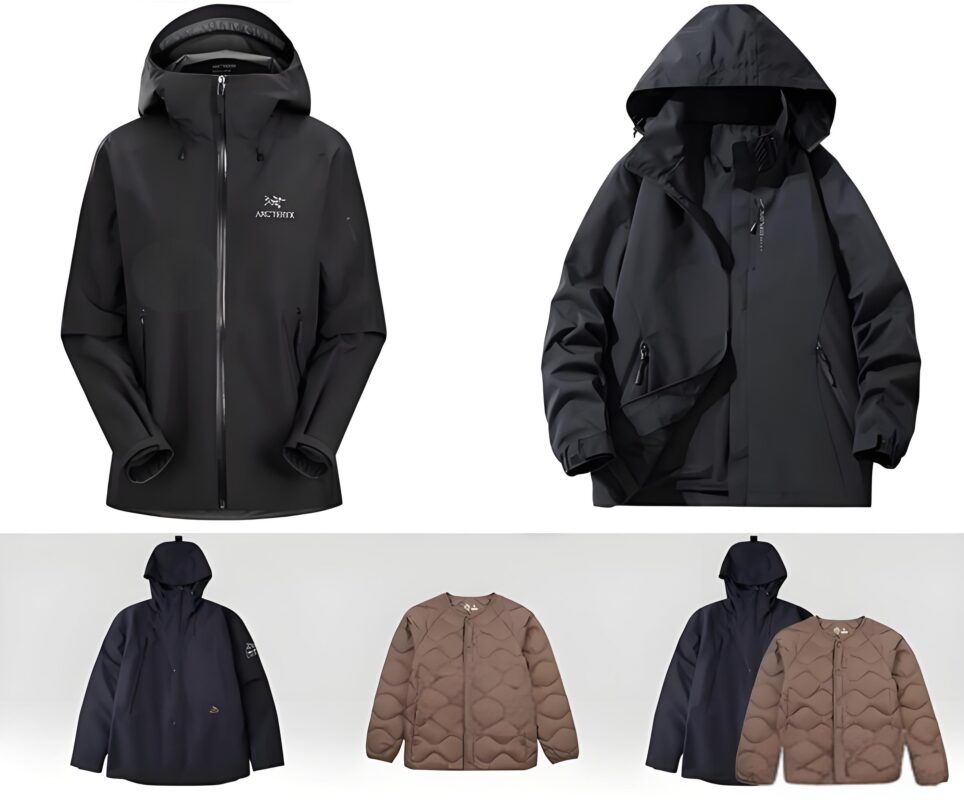
Made with high-performance technical fabrics and constructed using specialized techniques, hardshell jackets are built to be windproof, waterproof, and abrasion-resistant.
However, the material tends to be stiffer, making them less comfortable for everyday wear and less insulating than softshell options.
They’re ideal for intense outdoor activities like mountaineering, alpine trekking, and expeditions where protection is the top priority.
Softshells are crafted from flexible, breathable fabrics that provide moderate wind and water resistance while offering greater comfort and mobility.
They are perfect for mild-weather adventures or daily use—great for those who want something windproof, lightly insulated, and stylish for urban or light outdoor settings.
These jackets combine a weatherproof outer shell with a warm, insulated inner layer. You can wear them together or separately, which is where the “three-in-one” name comes from.
Highly versatile and widely popular, they are perfect for spring, autumn, and winter wear—suitable for general outdoor use, travel, or daily commuting.
They’re especially recommended for beginners looking for a reliable all-around jacket.


