
new
what’s new
Features & Functions
Brands
Colors
wishlist

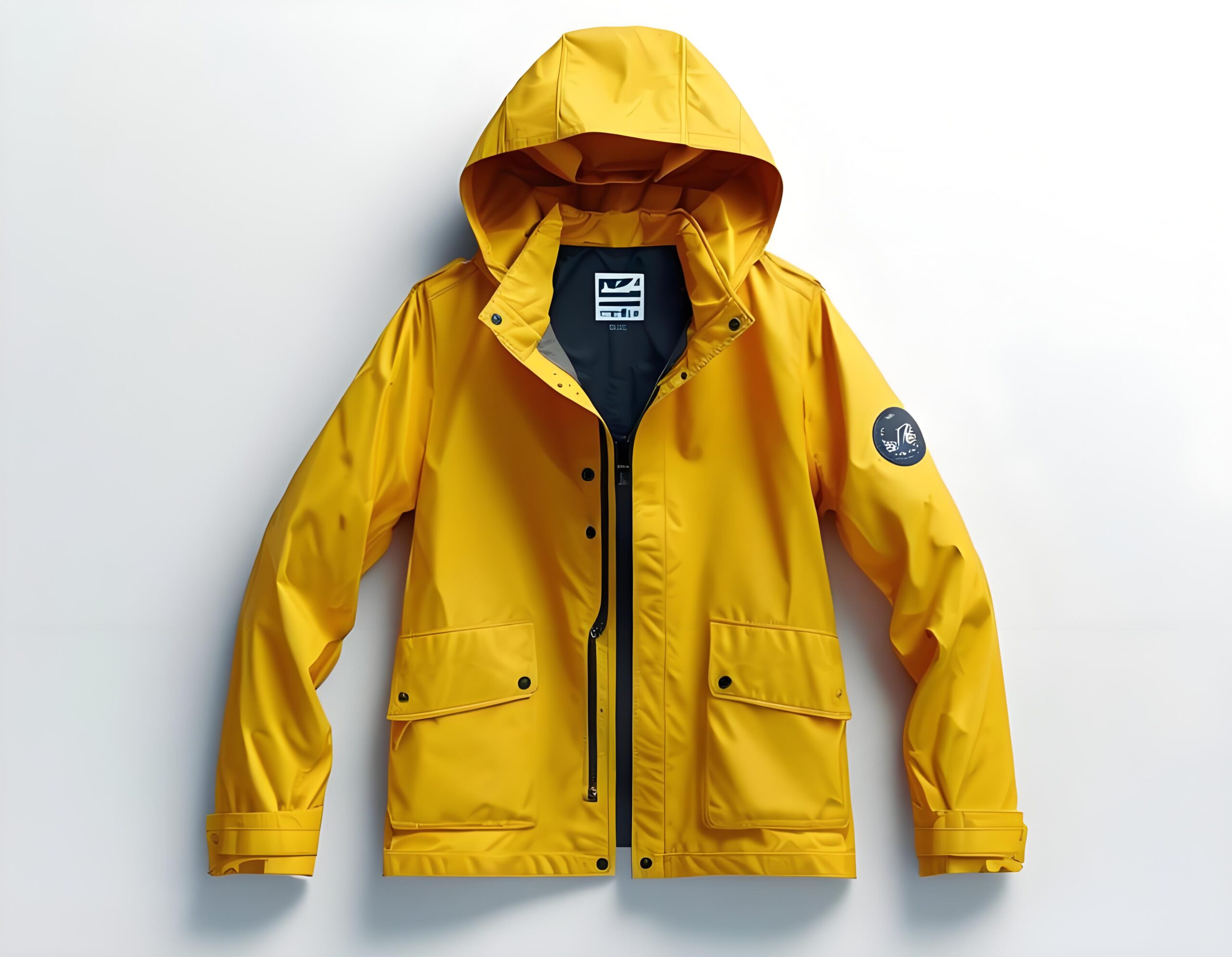
From simple waterproof fabrics to today’s advanced composite materials, the development of outdoor jackets is a tale of material science progress. This article will guide you through the evolution of outdoor jacket technology and give you a glimpse into future trends.
Early Wax-Coated Waterproof Fabrics
In the early days, waterproof jackets were often made from simple fabrics treated with wax coatings. While these fabrics could keep out water, they were bulky, stiff, and lacked breathability. The performance was adequate for short-term use in light rain but not suited for more demanding outdoor conditions.
The Rise and Fall of PVC Materials
PVC (Polyvinyl Chloride) was once a popular material for waterproof jackets. Though it provided good waterproofing, it was heavy, uncomfortable, and didn’t breathe, leading to sweat buildup inside. Over time, it was replaced by more breathable alternatives.
PU Coatings Breakthrough
Polyurethane (PU) coatings were a significant step forward in the early 1990s. PU offered a lighter, more flexible waterproofing solution that could be applied to fabrics without adding excessive weight. While PU was still not as breathable as modern options, it marked an important development in outdoor apparel.
Invention Background and Principles
GORE-TEX® is perhaps the most famous innovation in outdoor jacket technology. Invented in 1969 by Bob Gore, the technology uses a microporous membrane that is both waterproof and breathable. The breakthrough came from the discovery that a thin layer of PTFE (polytetrafluoroethylene) could be expanded to create billions of tiny pores that let water vapor escape while preventing liquid water from entering.
Microporous Membrane Technology
GORE-TEX®’s microporous membrane has pores that are smaller than water droplets, allowing sweat and moisture vapor to pass through while keeping water out. This combination of waterproofing and breathability is what made GORE-TEX® the gold standard in outdoor apparel.
Evolution of GORE-TEX® Products
Since its invention, GORE-TEX® has evolved through several iterations, improving breathability, durability, and flexibility. GORE-TEX® Pro, for example, is designed for professional and extreme conditions, while GORE-TEX® Active is optimized for high-performance sports where weight and flexibility are crucial.
eVent: Direct Venting Technology
eVent is another highly regarded technology in the outdoor apparel industry. Unlike GORE-TEX®, which relies on a microporous membrane to push moisture out, eVent uses a direct venting system. The eVent membrane is highly breathable, and its structure allows moisture to escape rapidly, making it particularly effective for high-intensity activities like trail running and skiing.
Other In-House Technologies from Outdoor Brands:

Recycled Nylon and Polyester Fibers
As sustainability has become a more important issue, many outdoor brands have turned to recycled materials, such as recycled nylon and polyester, in their jackets. These materials maintain the same performance characteristics as virgin fibers but with a much smaller environmental footprint.
PFC-Free Waterproof Treatments
Perfluorocarbons (PFCs) are chemicals often used in waterproof treatments. However, they are harmful to the environment. Many outdoor brands now focus on PFC-free treatments, ensuring that their jackets remain waterproof without the use of harmful chemicals.
Advances in Bio-Based Materials
Bio-based materials are gaining traction as brands look for ways to reduce their reliance on petroleum-based fabrics. For example, plant-based or algae-derived fibers are being explored for use in outerwear, offering a more sustainable option without sacrificing performance.
Self-Healing Materials
One of the most exciting future developments in outdoor jacket technology is the potential for self-healing materials. Researchers are working on fabrics that can repair themselves when torn or scratched, potentially increasing the longevity of outdoor garments and reducing waste.
Smart Temperature Control Technology
Another emerging area is the integration of smart fabrics with temperature control. These jackets would regulate your body heat in real-time, ensuring optimal comfort during intense physical activity in changing weather conditions.
Lighter, Stronger Composite Materials
The trend is moving toward even lighter, more durable composite materials. Future jackets will be able to provide the same or better performance than current models but with reduced weight, allowing for greater freedom of movement during outdoor activities.
Identifying Marketing Buzzwords vs. Real Performance
As the market for outdoor apparel grows, it’s important to distinguish between marketing claims and actual product performance. Terms like “waterproof,” “breathable,” and “windproof” may be used liberally, but it’s essential to examine the technical details to verify performance.
The Importance of Third-Party Certifications
Third-party certifications, such as GORE-TEX®, Bluesign®, and OEKO-TEX®, are essential for validating the claims made by outdoor apparel manufacturers. These certifications ensure that the products meet rigorous standards for performance and sustainability.
Practical Testing Methods
Before buying a jacket, consider testing it yourself or checking for independent reviews. Performance tests, such as waterproofing tests, breathability tests, and real-world performance in different conditions, will give you a better understanding of how the jacket will perform in the field.
The evolution of outdoor jacket technology has significantly enhanced the comfort and safety of outdoor enthusiasts. From early waterproof coatings to advanced materials like GORE-TEX® and eVent, the progression of materials science has made outdoor apparel more reliable and versatile. As technology continues to improve, the future of outdoor jackets promises even more lightweight, breathable, and sustainable options. Understanding the underlying technologies can help consumers make more informed decisions and invest in the most suitable outdoor gear for their needs.


