
new
what’s new
Features & Functions
Brands
Colors
wishlist

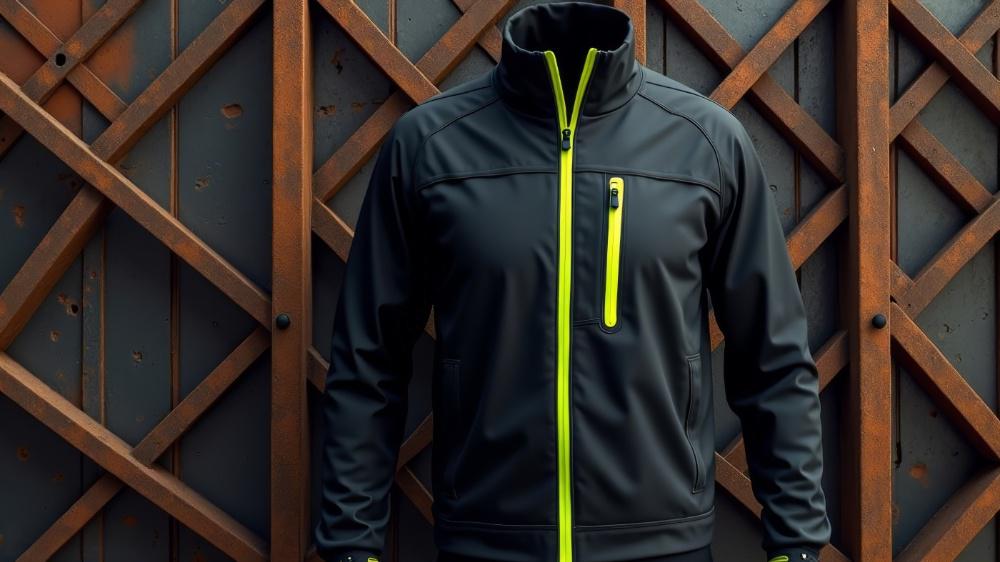
In outdoor sports, a high-quality jacket can keep you dry and comfortable in harsh weather conditions. However, with a myriad of options available on the market, how do you choose the one that’s truly suitable for your needs? This guide will walk you through the core performance metrics and key considerations when selecting an outdoor jacket.
Waterproof Index Explained: The Difference Between 5000mm and 20000mm
Waterproofing is one of the most crucial features of an outdoor jacket, especially when you’re out in wet or extreme weather conditions. The waterproof rating is measured in millimeters, indicating how high a column of water the fabric can withstand before it starts to leak.
Waterproof Ratings & Practical Use Cases:
RET Breathability Index Explained
Breathability is another key factor in jacket selection. It refers to the fabric’s ability to release moisture and heat, preventing you from getting too sweaty inside. The RET (Resistance to Evaporative Heat Transfer) index measures how breathable the fabric is, with lower values indicating higher breathability.
Common Breathability Technologies Compared:
Layered Structures: 2-Layer, 2.5-Layer, and 3-Layer Jackets
The jacket’s construction plays a big role in comfort, durability, and protection:
Soft-Shell vs. Hard-Shell Jackets:
Balancing Durability and Weight:
Choosing between durability and weight depends on your activity. A durable jacket might be heavier, but it will stand up to abrasion from rough environments, whereas a lightweight jacket might be less durable but easier to carry.
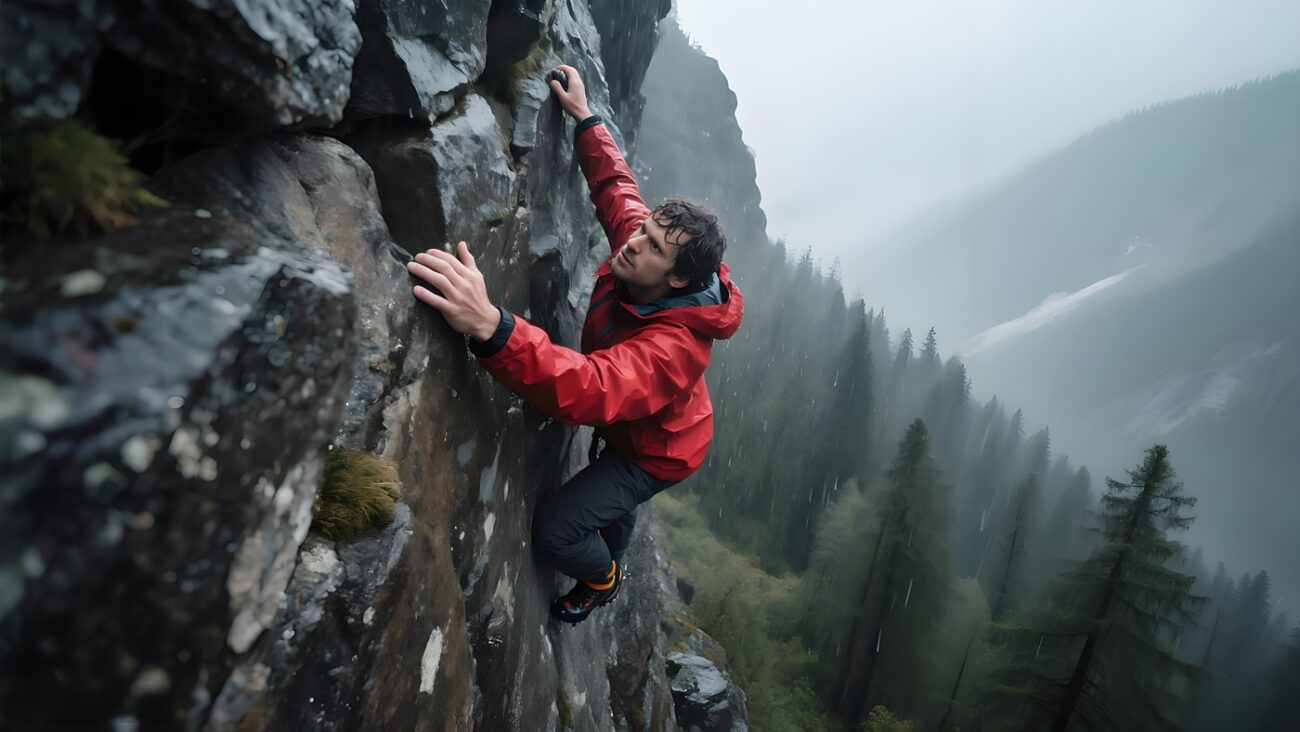
Waterproof Zippers
Waterproof zippers are essential for keeping water from seeping in through openings. Look for jackets with fully taped seams and zippers designed to keep out rain.
Adjustable Hoods
A well-designed, adjustable windproof hood can shield you from strong winds and heavy rain. Look for features like a brim for added water deflection and the ability to cinch the hood around your face for maximum protection.
Pocket Layout:
Practical pocket placement is crucial for ease of access during outdoor activities. Ensure there are pockets for essentials like keys, maps, and gloves, and that they are placed in convenient spots (e.g., chest or thigh pockets) to prevent the contents from getting soaked.
Proper Cleaning Methods:
Maintaining the DWR Coating:
DWR coatings help water bead off the jacket’s surface, but they degrade over time. Reapply a DWR treatment to restore water-repelling capabilities, especially after multiple washes.
Storage Tips:
Store your jacket in a cool, dry place. Avoid storing it in damp conditions, which can lead to mildew and damage the waterproof membrane.
When choosing a jacket, it’s important to consider your specific needs rather than just opting for the highest specifications. The best jacket for you is the one that suits your outdoor activities and environment. Prioritize the right balance of waterproofing, breathability, and durability, and you’ll find the perfect jacket to keep you comfortable and dry in any condition.


